Resources
The Work of: Brainspotting
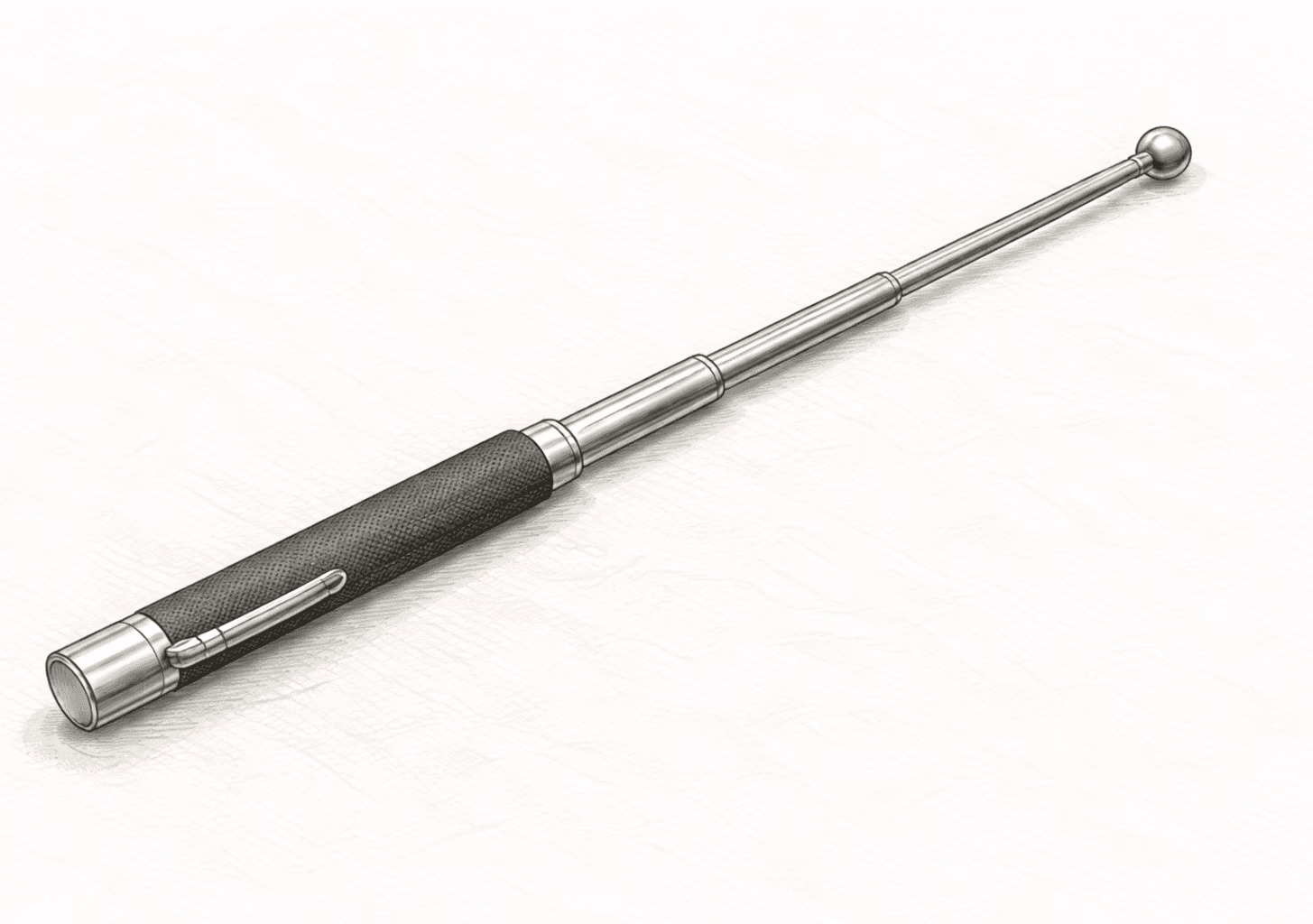
(Pictured in the image above is a pointer used in Brainspotting. The therapist will help you find and hold the brainspot with this tool.)
"Healing does not always happen through words."
Sometimes the body knows where the wound lives long before the mind understands it. Brainspotting is a therapeutic approach based on the understanding that trauma is stored not only in memory, but in the nervous system. When an experience overwhelms a person’s ability to process it, parts of that experience may remain unresolved and continue to shape emotions, thoughts, and physical reactions long after the event has passed. Brainspotting is a way of helping the brain and body locate and process those unresolved experiences.
What Is Brainspotting?
Brainspotting is a trauma-focused therapeutic approach developed by David Grand, PhD, in 2003. It grew out of observations made while working with clients during Eye Movement Desensitization and Reprocessing. Grand noticed something unusual: when a client’s eyes naturally settled in a specific direction while recalling distressing experiences, their emotional and physiological processing often deepened.
This observation led to a simple but powerful idea: “Where you look affects how you feel.”
Brainspotting is grounded in the understanding that trauma is often stored in subcortical regions of the brain, areas involved in emotion, survival responses, and body-based memory. These systems include structures such as the amygdala, hippocampus, and brainstem. Because these systems operate largely outside conscious awareness, talk therapy alone may not fully resolve what is stored there. Brainspotting helps access this deeper material through eye position, body awareness, nervous system regulation, and attuned therapeutic presence. Brainspotting helps access this deeper level of processing through the use of eye position, body awareness, nervous system regulation, and attuned therapeutic presence. In this way, Brainspotting helps the brain and body process material that may be difficult to reach through words alone.
What is a Brainspot?
A brainspot is a specific eye position linked to an emotional, physical, or traumatic experience held within the brain and body. When a person focuses on that spot, they may notice stronger emotion, body sensations, memories, or other internal responses begin to emerge. The brainspot is a doorway into deeper processing. It helps the brain and body access material that may be stored beneath conscious thought or outside of language. With support, focus, and attunement, that material can begin to process in a way that feels more integrated and less stuck. In other words, a brainspot is a point in your visual field that helps the brain and body find what needs attention.
The Role of the Therapist
In Brainspotting, the therapist’s presence matters deeply. The approach emphasizes attunement, the therapist’s ability to remain grounded, attentive, and responsive to the client’s internal experience. This supportive presence helps create the safety needed for the nervous system to process difficult material. Healing happens within a regulated relational space where the brain feels safe enough to complete what was once unfinished.
What a Brainspotting Session May Feel Like
A Brainspotting session can look quieter than many forms of therapy. Rather than focusing mainly on conversation, the therapist and client may spend periods of time in silence while the client stays present with internal experience. The therapist may use a pointer to help the client locate and hold the brainspot, while guiding attention toward sensations, emotions, images, thoughts, or shifts in the body.
Sometimes a client notices movement fairly quickly, such as a sense of relaxation, release, or a new perspective. Other times, the process is slower. There may also be moments when emotions or body sensations intensify before they begin to settle. Brainspotting is not meant to force insight or immediate breakthroughs. Sometimes the work is subtle, and sometimes processing continues after the session ends through shifts in dreams, emotions, physical tension, or body awareness. Overall, it helps people feel more connected to themselves, more regulated in their nervous system, and less controlled by unresolved experiences from the past.
What Brainspotting Can Help With
Brainspotting can help with experiences that feel emotionally charged, physically activated, or difficult to fully think your way through. It is often helpful for trauma, anxiety, overwhelm, grief, painful memories, attachment wounds, and patterns that remain stuck even when they are understood logically. It can also support performance, creativity, and confidence by helping reduce internal blocks that interfere with presence and access.
The goal is to process what feels stuck so you can respond to the present with more freedom, steadiness, and clarity.
What Brainspotting Cannot Do
Like any therapy, Brainspotting has limits. Some experiences process efficiently, while others require more time, resourcing, and support. If a person is living in ongoing danger or is too overwhelmed or destabilized, Brainspotting may need to be paced carefully or postponed until greater safety and regulation are in place. Some struggles are shaped not only by unresolved trauma, but by current stress, unhealthy environments, medical concerns, substance use, or relational patterns that require direct attention alongside therapy. It also cannot replace boundaries, supportive relationships, practical changes, or other forms of care.
Brainspotting is a powerful tool, but it is not the whole of healing
The Work of: Brainspotting
Despite the focus on where you look, Brainspotting is not really about the eyes themselves. It is about accessing and processing experiences held deep within the brain and body, often outside of words.
The therapist helps you find and hold the point of focus. The real work is done by your brain and nervous system. From the outside, the process can look quiet: noticing a spot, staying with what arises, and allowing space for the experience to unfold. Inside, emotions may surface, body sensations may shift, and stored activation may begin to release.
The experience does not disappear, but it often begins to feel less stuck, less charged, and less controlling. And when that happens, people often find they have more room to be present in their lives rather than being driven by what was never fully processed. It is focused work. But within that focus, the brain and body are doing something deeply natural:
Processing what was held in the body from the past, so the body can return more fully to the present.
This resource was written and provided by,
Roger Lee Crowe III, LCSW Owner/ Psychotherapist Art of Growth Counseling Services, PLLC.
Video Resource
Watch this video to gain further insights from the developer of Brainspotting, David Grand, Ph. D.
It's Your Time